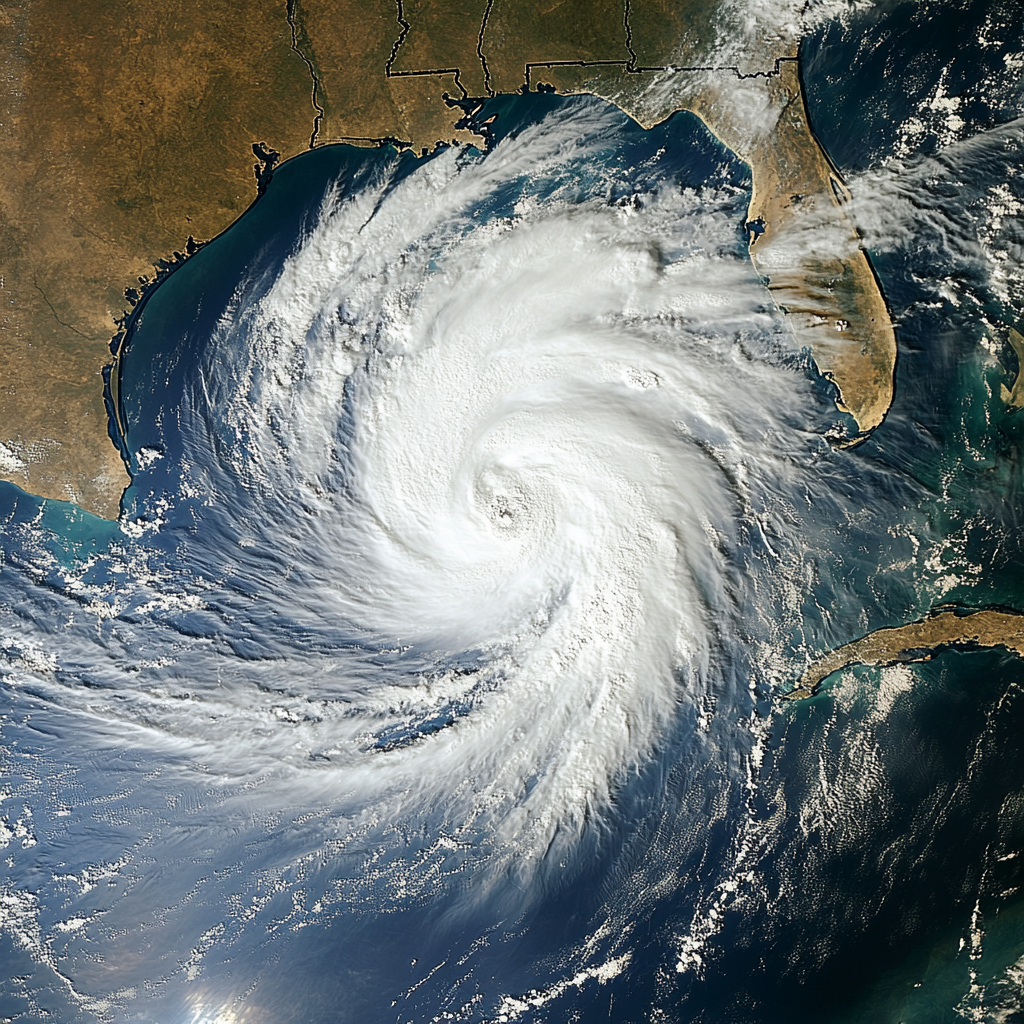
Heute schauen wir zunächst auf eine Verrücktheit in der Klimadebatte. Ein beliebtes Highlights ist seit eh und je die Idee: Es wird kälter weil es wärmer wird. Issam Ahmed auf The GIST via phys.org am 23.1.2026:
Arctic blast to wallop N. America—is climate change to blame?
An unusually brutal winter storm is set to pummel more than 160 million Americans from Friday, as a stretched „polar vortex“ sends a devastating blast of Arctic air, bringing heavy snows and freezing rains.
Winter Storm Fern is forecast to engulf an area well over half the length of the continental United States, stretching from Texas and the Great Plains region to the mid-Atlantic and northeastern states.
Scientists say the increasing frequency of such disruptions of the polar vortex may be linked to climate change, though the debate is not yet settled and natural variability also plays a role.
What is the polar vortex?
The polar vortex is a large region of cold, low-pressure air that circulates counterclockwise high above the Arctic, in the stratosphere some 10 to 50 kilometers (six to 30 miles) above Earth’s surface.
+++
Gerade noch hat Greenpeace den Wal aus der Ostsee befreien wollen. Da hatten Sie vielleicht schon mit einer Spende geliebäugelt. Aber das Geld ist nicht besonders gut angelegt, wie ein Bericht auf Tichys Einblick andeutet:
Greenpeace muss US-Energieunternehmen 292 Millionen Euro für Schäden an Pipeline zahlen
292 Mio. Euro Schadenersatz wegen Pipeline-Beschädigung: Ein US-Richter will Greenpeace für Folgen der Proteste gegen die Dakota-Access-Pipeline haftbar machen. Greenpeace erklärt, die Summe nicht zahlen zu können, und kündigt neuen Prozessantrag plus Berufung an.
+++
Bild via Blackout News:
Kein Aprilscherz – Ministerium plant Furz-Messung bei Kühen
Nein, es ist nicht der 1. April, denn das Umweltministerium plant tatsächlich ein Messprogramm für Kuh-Methan direkt im Stall. Grundlage ist der Entwurf zum Klimaschutzprogramm 2026, außerdem umfasst das Papier ein eigenes Kapitel zur Rinderhaltung. Sensoren sollen erfassen, wie viel Methan einzelne Tiere ausstoßen. Der Kuhstall wird damit zur staatlichen Messstrecke (bild: 10.02.26).
+++
Nun aber vernünftig weiter. Die GWPF hat eine interessante Arbeit zur Extremwetter-Attribution herausgegeben. Immer wenn Sturm, Starkregen, Hitzewelle, Kältewelle oder andere Extremwetterereignisse Schaden angerichtet haben, kommen findige Aktivisten und deuten dies umgehen als Folge des Klimawandels. Da wird dann ganz genau mit Nachkommastelle angegeben, wieviel Klimakatastrophe in dem Tornado angeblich gesteckt habe. Meistens ist das großer Quatsch. Ralph B. Alexander hat die Sachlage nüchtern in einer 22-seitigen Briefing-Betrachtung durchleuchtet. Hier geht es zum pdf.
+++
Auch Roger Pielke Jr betreibt dringend notwendig Aufklärungsarbeit. Er präsentiert eine Schadensbetrachtung von Wetterkatastrophen von 1990-2025. Darin entzaubert er auch einige beliebte Narrative der MunichRe…
„Climate Change Presses On“: Global Weather Catastrophe Losses 1990 to 2025
[…]
Last year’s losses as a percentage of GDP were ~0.18%, which were below both the long-term annual average of 0.22%, as well as the long-term linear trend (dashed red line) which since 1990 has fallen from ~0.25% to ~0.20% per year.8
In terms of absolute numbers, Munich Re’s estimates of $212 billion (total) and $106.5 billion (insured) are far below the Verisk 2025 AAL estimates of $152 billion (total) and $395 billion (total) — which include non-weather-related losses.
That means that weather-related losses for 2025 were well below expected annual loss totals in both absolute numbers and with respect to GDP — adding to a longer term trend of no increase in weather-related catastrophe losses as a proportion of GDP.
This is good news indeed! Even so, extremely large loss years are possible (even more than $1 trillion). Continuing progress on holding disaster losses in check and reducing other human impacts will require concerted, collective effort.
Despite the low losses of 2025, Munich Re announced: “Climate Change Presses On.”9
Meantime, Munich Re also expects to report €6.0 billion in profit for 2025 and projects profits of €6.3 billion for 2026.
Press on Climate Change! Press on!
Ganzen Artikel hier lesen.