Kontrafunk aktuell vom 9. Februar 2026
Stefan Millius im Gespräch mit Ronny Siev, Pierre Heumann und Frank Bosse.
Der Klimawandel erklärt jedes Wetterphänomen, auch die eisige Kälte in Teilen Deutschlands. Ob das physikalisch wirklich erhärtet ist, erläutert der Journalist und Klimaanalyst Frank Bosse. In Zürich wurde erneut ein orthodoxer Jude Opfer eines brutalen Angriffs. Der Lokalpolitiker Ronny Siev schildert die Reaktionen der jüdischen Gemeinschaft und ihre Forderungen. In Oman finden Verhandlungen über Irans Atomprogramm statt, die in Israel mit Skepsis verfolgt werden. Die Gründe dafür nennt unser Nahost-Korrespondent Pierre Heumann. Und Frank Wahlig kommentiert die Ansprüche der SPD auf ihren Saal im Bundestag, den sie mit ihren Abgeordneten gar nicht mehr ausfüllt.
+++
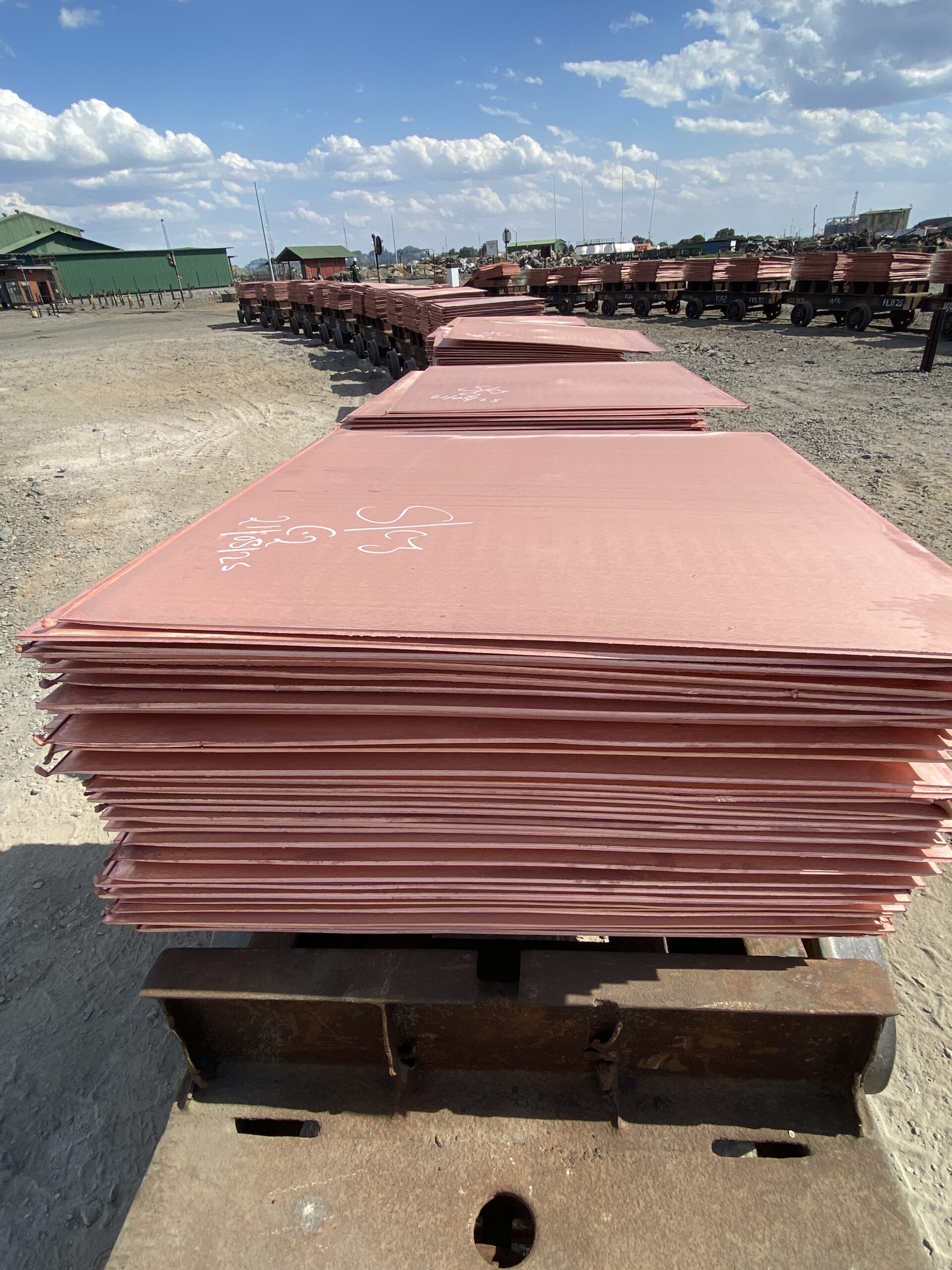
Europa steuert bei der Energiewende auf einen eklatanten Mangel an existenziellen Rohstoffen zu. Das ist das Fazit eines neuen Berichts des EU-Rechnungshofs. Alex Reichmuth hat die Befunde im „Nebelspalter“ genauer unter die Lupe genommen: https://www.nebelspalter.ch/themen/2026/02/europa-gehen-bald-die-rohstoffe-fuer-die-energiewende-aus
Bericht der EU-Rechnungshofs
Europa gehen bald die Rohstoffe für die Energiewende ausDie Fakten: Der EU-Rechnungshof stellt der Europäischen Union in einem Bericht ein verheerendes Zeugnis für ihre Versorgung mit kritischen Rohstoffen aus. Gemäss den Prüfern wird die EU darum ihre Ziele beim Umbau des Energiesystems kaum erreichen. Insbesondere die Ziele bis 2030 seien «ausser Reichweite».
Warum das wichtig ist: Materialien wie Lithium, Nickel, Kobalt, Kupfer und seltene Erden sind essentiell für den Bau von Elektrofahrzeugen, Windturbinen, Solaranlagen, Wärmepumpen, Batterien und Stromleitungen. Wenn Europa aber so wenig wie heute unternimmt, um zusätzliche Lieferländer zu finden, die eigene Gewinnung dieser Rohstoffe voranzutreiben und das Recycling zu verstärken, wird es nichts mit der angestrebten Energiewende und der Dekarbonisierung.
Das Zitat: «Ohne kritische Rohstoffe wird es keine Energiewende, keine Wettbewerbsfähigkeit und keine strategische Autonomie geben.» (Keit Pentus- Rosimannus, Mitglied des EU-Rechnungshofs zur Situation in Europa, siehe hier)
Den ganzen Beitrag gib es hier: https://www.nebelspalter.ch/themen/2026/02/europa-gehen-bald-die-rohstoffe-fuer-die-energiewende-aus
Den wöchentlichen Newsletter „Klima und Energie“ von Alex Reichmuth kann man hier abonnieren: https://www.nebelspalter.ch/newsletter/klima-energie
+++
Vor 20 Jahren erschien der Report des britischen Ökonomen Nicholas Stern. Es ist bis heute der wohl einflussreichste Klimabericht. Den Schaden, den der Stern-Report angerichtet hat, ist immens. Alex Reichmuth hat im „Nebelspalter“ Bilanz gezogen (https://www.nebelspalter.ch/themen/2026/02/20-jahre-stern-report-eine-schadensbilanz).
Klimaökonomie
20 Jahre Stern-Report: Eine SchadensbilanzDie Fakten: Vor 20 Jahren erschien der Klima-Report des britischen Ökonomen Nicholas Stern. Er sagte voraus, dass die Weltwirtschaftsleistung zwischen 5 und 20 Prozent sinke, wenn der Klimawandel nicht aufgehalten werde.
Warum das wichtig ist: Der Stern-Report ist der einflussreichste Bericht zur Wirtschaftlichkeit des Klimaschutzes, den es je gab. Die Argumentation im Bericht widersprach elementaren wissenschaftlichen Grundsätzen. Der Schaden, den dieser Report anrichtete, dauert bis heute an.
Das Zitat: «Wenn ein Student mir diesen Bericht als Masterarbeit abgeben würde, würde ich ihm vielleicht in guter Laune ein D für Fleiss geben, wahrscheinlicher wäre jedoch ein F für nicht bestanden.» (Richard Tol, renommierter Klimaökonom, nach dem Erscheinen des Stern-Reports. «D» bedeutet im angelsächsischen Notensystem «knapp genügend», «F» bedeutet «nicht bestanden», siehe hier)
Den ganzen Beitrag gib es hier: https://www.nebelspalter.ch/themen/2026/02/20-jahre-stern-report-eine-schadensbilanz
Den wöchentlichen Newsletter „Klima und Energie“ von Alex Reichmuth kann man hier abonnieren: https://www.nebelspalter.ch/newsletter/klima-energie
+++
Sea levels are rising—but in Greenland, they will fall
by State of the Planet
Even as global warming causes sea levels to rise worldwide, sea levels around Greenland will likely drop, according to a new paper published in Nature Communications. „The Greenland coastline is going to experience quite a different outcome,“ says lead author Lauren Lewright, a Ph.D. student in geophysics working at the Lamont-Doherty Earth Observatory, which is part of the Columbia Climate School. „Sea level in Greenland is actually projected to fall.“
According to the study, the decline in sea level will likely measure about 0.9 meters (nearly three feet) in a low-emissions future and 2.5 meters (8.2 feet) in a high-emissions future by the year 2100.
That seemingly paradoxical dynamic results from several factors. Foremost among them is the rebound of land beneath the Greenland Ice Sheet, a mile-thick body of glacial ice that covers 80% of the island and is being lost to melting at a rate of roughly 200 billion tons each year.
As the ice sheet loses mass, the land beneath rises. Study co-author Jacqueline Austermann, also a geophysicist at Lamont-Doherty, likens this effect to the decompression of a memory-foam mattress after the person lying on it gets up.
Both recent and historic ice loss are driving Greenland’s ongoing rebound and, as the island rises, the resulting decline in sea levels. Meanwhile, as mass is lost from the ice sheet, sea levels will decline even further because of another factor, one little-appreciated in the context of climate change: gravity.
„When the ice sheet is very large, it has a lot of mass. The sea surface is pulled toward the ice sheet because of that gravitational pull,“ explains Lewright. „As the ice sheet loses mass, its gravitational pull on the sea surface decreases. That translates into sea level fall.“ The researchers estimate that this effect will account for up to 30% of Greenland’s future sea level decline. Both effects together—land and gravity change—are technically known as glacial isostatic adjustment.
Other scientists have studied Greenland’s glacial isostatic adjustment, but Lewright and colleagues took a uniquely comprehensive approach: They leveraged both observations of historical sea level change that occurred over the past thousands of years as well as more than two decades‘ worth of elevation change data gathered from signals at 57 satellite communication towers around the island.
+++
The Sierra snowpack is dropping fast: Experts say it’s not as bad as it seems
The Sierra Nevada snowpack, the source of nearly one-third of California’s water supply, is looking a little like a New Year’s resolution: full of hope and promise at the beginning of January, but now struggling with a bothersome reality check. Starting on Christmas Eve, big storms dumped 7 to 8 feet of new snow across the Lake Tahoe area over a two-week period, ending a dry December and drenching the rest of the state with rain.
By Jan. 6, with umbrellas and snow shovels getting a workout, the statewide Sierra Nevada snowpack was a respectable 93% of its historical average. But in the three weeks since, the switch has flipped. Sunny and warm weather has been the norm throughout most of California. On Jan. 29, the Sierra snowpack had fallen to just 59% of its historical average.
„It’s been 23 days without a good storm,“ said Jan Null, a meteorologist with Golden Gate Weather Services in Half Moon Bay. „And I don’t see anything of any significance in the forecast for the next week.“
That means the Sierra snowpack number will continue to fall in the coming days.
But it’s not as bad as it seems, experts said Jan 29.
The past three winters in California have been at or above average precipitation for the first time in 25 years. Wet conditions ended the 2020–2022 drought and filled most of the state’s large reservoirs.
And even though their levels dropped last summer as cities and farms used the water, California’s reservoirs started this winter season fuller than normal. The big storms, which Tahoe-area ski operators have dubbed „the Christmas miracle“ because they saved ski season, also sent reservoir levels rising fast. Very fast.
Between mid-December and early January, the state’s largest reservoir, Shasta—a massive 35-mile-long lake near Redding—rose by 36 feet. The second-largest, Oroville in Butte County, rose 69 feet over the same three weeks.
They have even more water in them now, and are still rising. On Jan. 29, Shasta was 80% full, or 125% of normal. Oroville was 82% full, or 138% of normal. San Luis, the nation’s largest off-stream reservoir, between Gilroy and Los Banos, was 77%, or 105% of normal. Diamond Valley, the largest reservoir in Southern California, was 95% full.